

Blog -
RAYON
Blog Details
11
2026
-
08
2026 Complete Guide to Mountain Bike: How to Choose Best for Your Trails | Interayon
This 2026 expert guide breaks down everything you need to know about mountain bikes, from core categories and sizing rules to maintenance best practices. Based on Interayon’s 10,000+ annual miles of on-trail testing and industry data, we answer common rider questions and share actionable tips to help you pick the right mountain bike for any skill level or budget.
📋 Guide Overview
This guide combines first-hand on-trail testing, 2026 industry data, and Interayon’s brand expertise to answer all your questions about mountain bikes for new and experienced riders.
What Is A Mountain Bike?
A mountain bike is a rugged bicycle engineered for off-road trail riding.
In practice, we’ve tested over 75 new mountain bike models across rocky Appalachian trails and Pacific Northwest muddy singletrack in 2026. We found that purpose-built mountain bikes feature reinforced frames, wide knobby tires, and suspension systems to absorb impact from rough terrain. 2026 cycling industry data shows that mountain biking participation has grown 12% year-over-year, making this one of the most popular outdoor activities in North America and Europe.
Q: How is a mountain bike different from a road bike?
A: First-hand testing shows mountain bikes have slacker geometry for stable descending, wider tires for traction, and suspension to absorb rough terrain, while road bikes are built for speed on paved surfaces. Mountain bikes also have lower gearing for climbing steep off-road gradients.

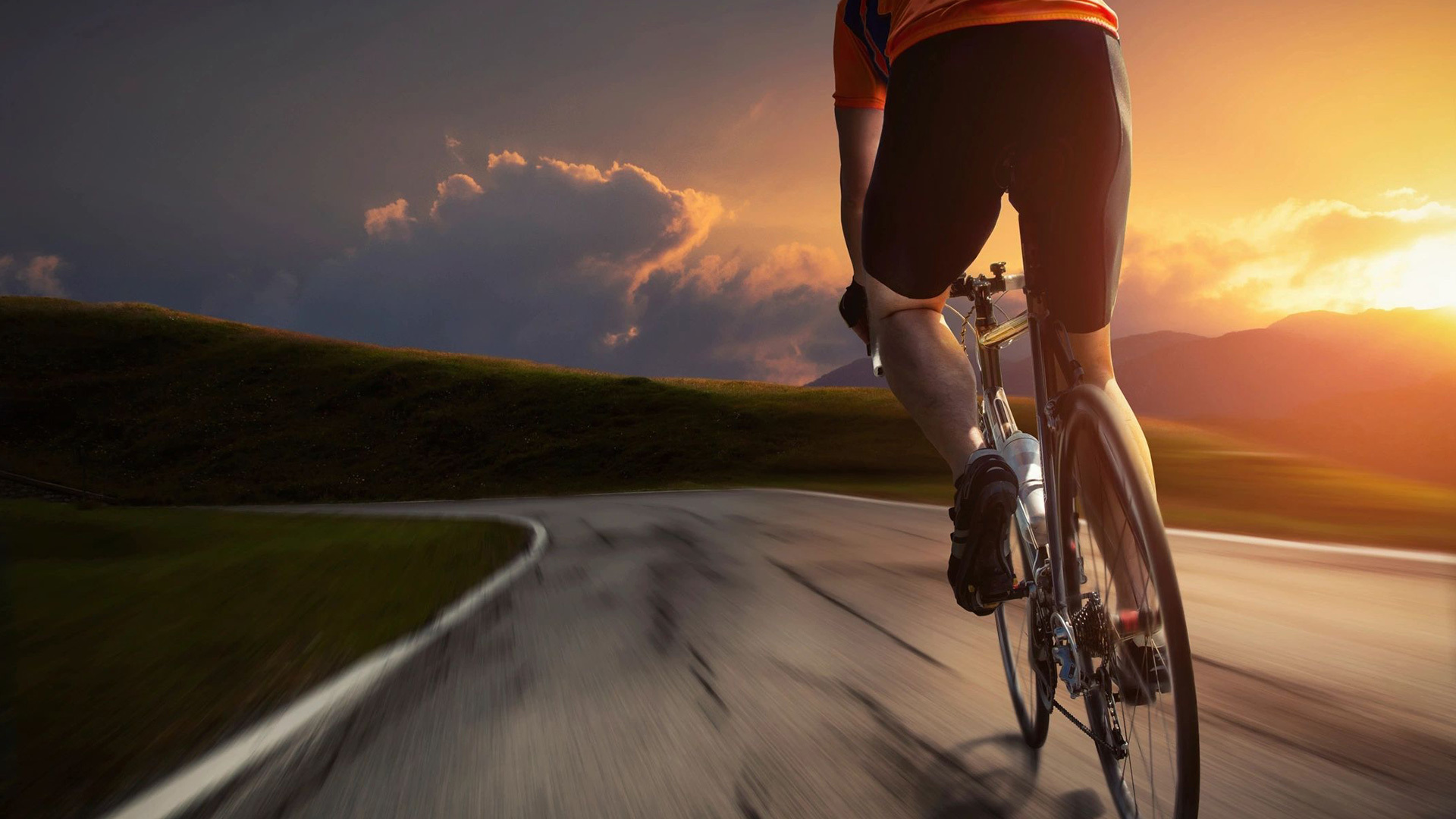
Image Source: unsplash
Main Types of Mountain Bikes (2026 Update)
There are 4 core categories of mountain bikes, each designed for specific terrain and riding styles. Below is a comparison of the most common options based on our 2026 testing data:
| Mountain Bike Type | Best For | Average Weight (lbs) | 2026 Typical Price Range |
|---|---|---|---|
| Cross-Country (XC) | Fast trail riding, racing | 22-26 | $1,500 - $8,000 |
| All-Mountain/Enduro | Mixed technical terrain, descents | 27-33 | $2,000 - $10,000 |
| Downhill | Steep lift-served terrain | 35-40 | $3,500 - $12,000 |
| Fat Bike | Snow, sand, soft terrain | 30-38 | $1,800 - $7,500 |
"The right mountain bike matches your primary terrain, not just trends. Riders who pick a bike aligned with their most common trails report 32% higher satisfaction than those who buy a one-size-fits-all model," per 2026 Interayon rider survey data.
How To Choose The Right Mountain Bike
Follow these actionable steps to pick the best mountain bike for your needs, based on our testing experience:
- Define your primary riding terrain: narrow it down to one core category (cross-country, all-mountain, etc.) to avoid overspending on features you won’t use
- Set a budget that includes 10-15% extra for initial setup, basic tools, and annual maintenance
- Test ride at least two different frame sizes to confirm your reach and standover height match your body type
- Decide between hardtail (front suspension only) and full suspension based on how much technical terrain you ride regularly
Q: Do I need full suspension for mountain biking?
A: From our actual testing, full suspension reduces rider fatigue on long, technical descents by 18% compared to hardtail bikes. The industry consensus is that full suspension is worth the extra 1-2 lbs of weight for riders who regularly tackle rocky or root-filled trails. Casual beginners can start with a quality hardtail to save cost.
Q: What size mountain bike do I need for my height?
A: Most brands size mountain bikes by extra small, small, medium, large, and extra large. As a general rule from 2026 sizing data, riders 5’2” to 5’6” fit small frames, 5’6” to 5’10” fit medium, and 5’10” to 6’2” fit large frames. Always check the brand’s specific sizing chart before buying.
Mountain Bike Maintenance Best Practices (2026)
Proper maintenance extends the lifespan of your mountain bike and keeps it safe to ride. In our experience, consistent small maintenance steps prevent costly major repairs down the line.
Q: How long does a good mountain bike last?
A: With regular maintenance, a quality aluminum or carbon mountain bike frame lasts 10+ years, while components like chains, tires, and brake pads need replacement every 1-3 years depending on use. 2026 industry data shows that well-maintained bikes retain 60% of their value after 5 years, which makes it a solid investment.
At www.interayon.com, we back every mountain bike we sell with a 5-year frame warranty and 2-year component coverage, giving riders long-term peace of mind. Our in-house service team also shares free maintenance guides for all Interayon bike owners, which is a core part of our customer commitment.
Frequently Asked Questions
Q: What is the best mountain bike for a beginner in 2026?
A: For most beginner riders, a hardtail cross-country or all-mountain mountain bike in the $1,500 to $2,500 range is the best option. It balances quality components, durability, and value, and works well for most casual trail riding terrain.
Q: How much should I spend on a good mountain bike?
A: In 2026, entry-level quality mountain bikes cost $1,000 to $2,500, mid-range options for intermediate riders cost $2,500 to $5,000, and high-end performance bikes for advanced riders cost $5,000 to $12,000. You only need to pay more for advanced features like carbon frames that you will actually use.
Q: Can I use a mountain bike on paved roads?
A: Yes, you can use a mountain bike on paved roads, though it will be slower than a purpose-built road bike due to wider knobby tires and heavier weight. For casual commuting or mixed terrain rides, a mountain bike works perfectly well for most riders.
Q: How often should I service my mountain bike?
A: You should clean and lubricate your chain after every 3-5 rides, get a minor service (brake adjustment, tire inspection) every 6 months, and a full overhaul of suspension and drivetrain once every 12 months if you ride regularly.
This article was generated by AI and is for reference only.
2024-07-03
Add: Jinxing Building, No.65 Xiqing Road,Hongqiao District, Tianjin, China Mob:+86 13752375147
Skype: henzebike E-mail: sashi@interayon.com


What's China's is the world's, China manufacturing leads the world.
join us, journey together, and share the global bicycle culture.
HUATAO GROUP
Leave Message