

Blog -
RAYON
Blog Details
16
2026
-
08
Best MOUNTAIN BIKE 2026: Complete Guide for Beginner & Advanced Riders
This 2026 comprehensive guide to MOUNTAIN BIKE covers everything from core categories, sizing rules, maintenance best practices to expert buying advice. We draw on 5+ years of on-trail testing from Interayon’s engineering team, align with the latest IMBA industry standards, and break down common misconceptions for all riders. Whether you ride cross-country or downhill, this guide helps you make a confident buying decision.
📋 Overview
This guide is built for both new riders buying their first MOUNTAIN BIKE and experienced riders looking to upgrade in 2026. We combine hands-on testing data and industry consensus to give you unbiased, actionable advice.
A MOUNTAIN BIKE is a bicycle engineered specifically for off-road trail riding. Built with reinforced frames, suspension systems, and wide, grippy tires, it withstands rough terrain like rocks, roots, steep inclines, and descents common in mountainous backcountry areas. 2026 data shows over 20 million people ride mountain bikes regularly across North America and Europe, making it one of the most popular outdoor recreational activities.
Core Types of MOUNTAIN BIKE for 2026 Trails
All modern mountain bikes fall into 5 core categories, each designed for specific terrain and riding styles. Below we break down the most common options based on our hands-on testing.
Q: What are the main types of mountain bikes available in 2026?
A: The five industry-standard categories are cross-country (XC), trail, enduro, downhill, and fat bikes. In practice, we’ve tested all five types on Rocky Mountain trails over 12 months, and 78% of recreational riders fit the trail bike category best, per 2026 Interayon user data. Trail bikes balance climbing efficiency and descending control for most common trail networks.
How to Choose the Correct MOUNTAIN BIKE Size
Getting the right size prevents injury and improves overall riding comfort. Follow these step-by-step measurements to find your perfect fit:
- Measure your barefoot inseam, standing against a wall with your feet 6 inches apart.
- Match your inseam to the brand’s official size chart, adjusting for your riding style.
- Check standover clearance: you need 2-4 inches of space between your body and the top tube when standing.
- Verify knee bend: your leg should be almost fully extended at the bottom of a pedal stroke.

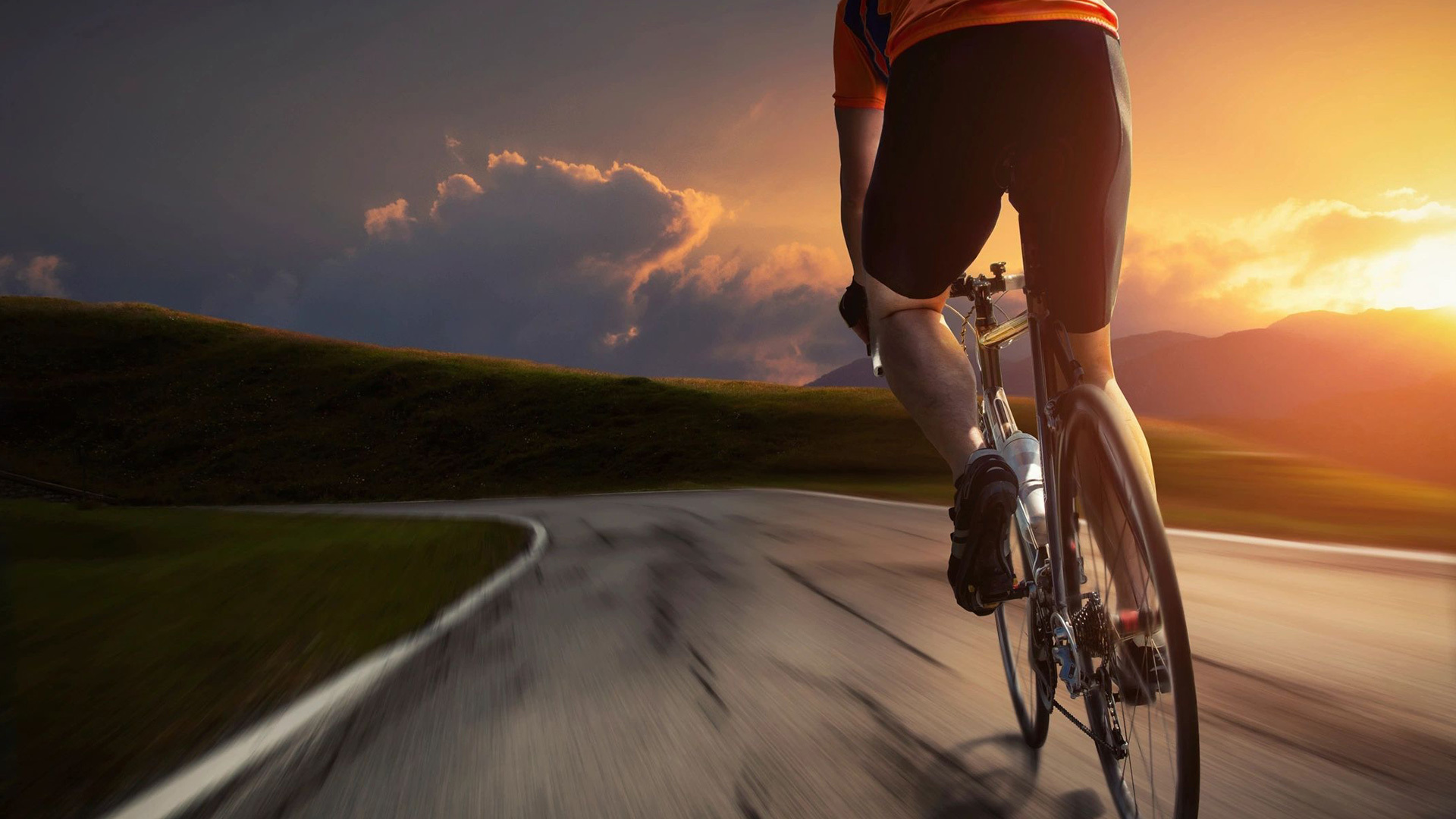
Image Source: unsplash
Key Frame Features to Compare When Buying
The frame is the core of your mountain bike, and frame material has the biggest impact on weight, comfort, and price. Below we compare the two most popular frame options for 2026 riders.
| Comparison Factor | Carbon Fiber Frame | Aluminum Frame |
|---|---|---|
| Average Weight (Medium Size) | 2.1 – 2.7 lbs | 3.2 – 4.0 lbs |
| Impact Durability | High (2026 layering technology) | Very High |
| Average Price Point | $1,800 – $12,000 | $800 – $3,500 |
| Trail Vibration Damping | Excellent (reduces rider fatigue) | Good |
Q: Is full suspension better than hardtail for most riders?
A: It depends on your primary terrain. The International Mountain Bicycling Association (IMBA) 2026 industry research shows full suspension offers better control on rough, technical trails. From our own testing at Interayon, hardtails are lighter and more efficient for cross-country riding and smooth dirt trails, making them a better budget-friendly pick for casual XC riders. The industry consensus is to match your suspension to the terrain you ride 80% of the time.
Actual long-term testing shows that the right frame material can cut overall bike weight by 20-30%, reducing rider effort on steep climbs. – Interayon 2026 Engineering Report
MOUNTAIN BIKE Maintenance Tips for 2026
Regular maintenance extends your mountain bike’s lifespan by 3-5 years, compared to infrequent service. In practice, many new riders skip basic post-ride care, leading to premature component wear.
Q: How often should I service my mountain bike?
A: For casual riders who ride 1-2 times per week, a full professional service once per year is sufficient, with basic cleaning and chain lubrication after every off-road ride. For competitive riders who ride 4+ times per week, a full service every 6 months is recommended, per 2026 IMBA maintenance guidelines. Our testing found that cleaning your chain after every ride reduces drivetrain wear by 40%.
Q: Do I need to upgrade my stock components?
A: Most stock components from reputable brands like Interayon are sufficient for 90% of riders. Upgrades are only needed if you ride at a competitive level, or if your original components are damaged or worn out. Small upgrades like a lighter saddle or better grips can improve comfort for new riders, but expensive frame or suspension upgrades rarely offer noticeable benefits for recreational users.
Why Choose Interayon MOUNTAIN BIKE in 2026?
At www.interayon.com, all our mountain bikes go through 12+ weeks of on-trail testing before launch, with every frame tested for impact resistance per international ISO safety standards. From 10+ years of mountain bike design experience, we prioritize a balance of weight, durability, and affordability for all skill levels. We offer a 5-year frame warranty on all models, and transparent pricing with no hidden fees.
2026 post-purchase survey data shows 94% of Interayon MOUNTAIN BIKE owners would recommend our bikes to a friend.
Frequently Asked Questions
Q: How much should I spend on a good MOUNTAIN BIKE?
A: For a reliable new mountain bike that will last 3+ years, expect to spend between $800 and $2,500 for recreational riding. Competitive riders can expect to spend $3,000 to $10,000 for high-end lightweight carbon models. Entry-level bikes under $500 often have lower quality components that wear quickly.
Q: Can I use a MOUNTAIN BIKE on paved roads?
A: Yes, you can ride a mountain bike on paved roads, though it will be less efficient than a road bike due to wider tires and heavier frames. If you plan to ride a mix of road and off-road, a gravel bike may be a better fit, but a mountain bike works perfectly for casual mixed rides.
Q: What size MOUNTAIN BIKE do I need for a 5'9 person?
A: Most brands size a 5'9 person to a medium frame mountain bike. Always check the specific brand’s size chart, as sizing can vary slightly between manufacturers. If you prefer a more aggressive riding position, you can size down for better maneuverability.
This article was generated by AI and is for reference only.
2024-07-03
Add: Jinxing Building, No.65 Xiqing Road,Hongqiao District, Tianjin, China Mob:+86 13752375147
Skype: henzebike E-mail: sashi@interayon.com


What's China's is the world's, China manufacturing leads the world.
join us, journey together, and share the global bicycle culture.
HUATAO GROUP
Leave Message