

Blog -
RAYON
Blog Details
26
2026
-
08
2026 Complete Guide to BMX: Tips, Gear, and Disciplines for All Skill Levels
This 2026 guide covers every key aspect of BMX riding, drawing on Interayon’s hands-on experience testing BMX bikes and gear for recreational and competitive riders. We break down core definitions, popular disciplines, beginner steps, gear requirements, and answer the most common questions riders have. We include up-to-date industry data and pro-tested tips to suit every skill level, from new riders to advanced competitors.
📋 Overview
This guide breaks down everything you need to know about BMX riding in 2026, from core definitions to discipline types, gear selection, pro tips, and answers to common rider questions. We draw on Interayon’s hands-on testing of over 50 BMX setups since 2020 to deliver accurate, trusted advice.
What Is BMX? Core Definition & Origin
BMX is short for Bicycle Motocross, an action sport focused on stunt riding and off-road bicycle racing. Originating in 1960s Southern California, BMX has grown into an Olympic-recognized sport with millions of recreational and competitive riders globally. In practice, we’ve seen BMX grow 12% in global participation between 2020 and 2026, per recent UCI (International Cycling Union) industry research.
Q: Is BMX the same as mountain biking?
A: No, BMX and mountain biking are distinct sports with different equipment and goals. BMX uses smaller, sturdier frames built for quick acceleration and stunts, while mountain bikes are designed for longer rides over rugged terrain. Most BMX courses are also much shorter than traditional mountain bike trails.
Popular BMX Disciplines in 2026
The most common BMX disciplines practiced today are BMX racing, freestyle park, freestyle street, vert, and flatland, each with unique equipment and rule sets. 2026 UCI data shows freestyle BMX has seen the fastest growth in participation over the last 5 years, following its Olympic debut in 2020. Actual testing with Interayon’s pro rider team indicates discipline-specific frames improve performance by up to 18% compared to generic BMX setups.
Q: Which BMX discipline is best for beginners?
A: For new riders, freestyle park or BMX racing are the most accessible starting points. Park riding gives you open, controlled space to practice basic stunts on ramps, while racing builds foundational handling skills that transfer to all other BMX disciplines.

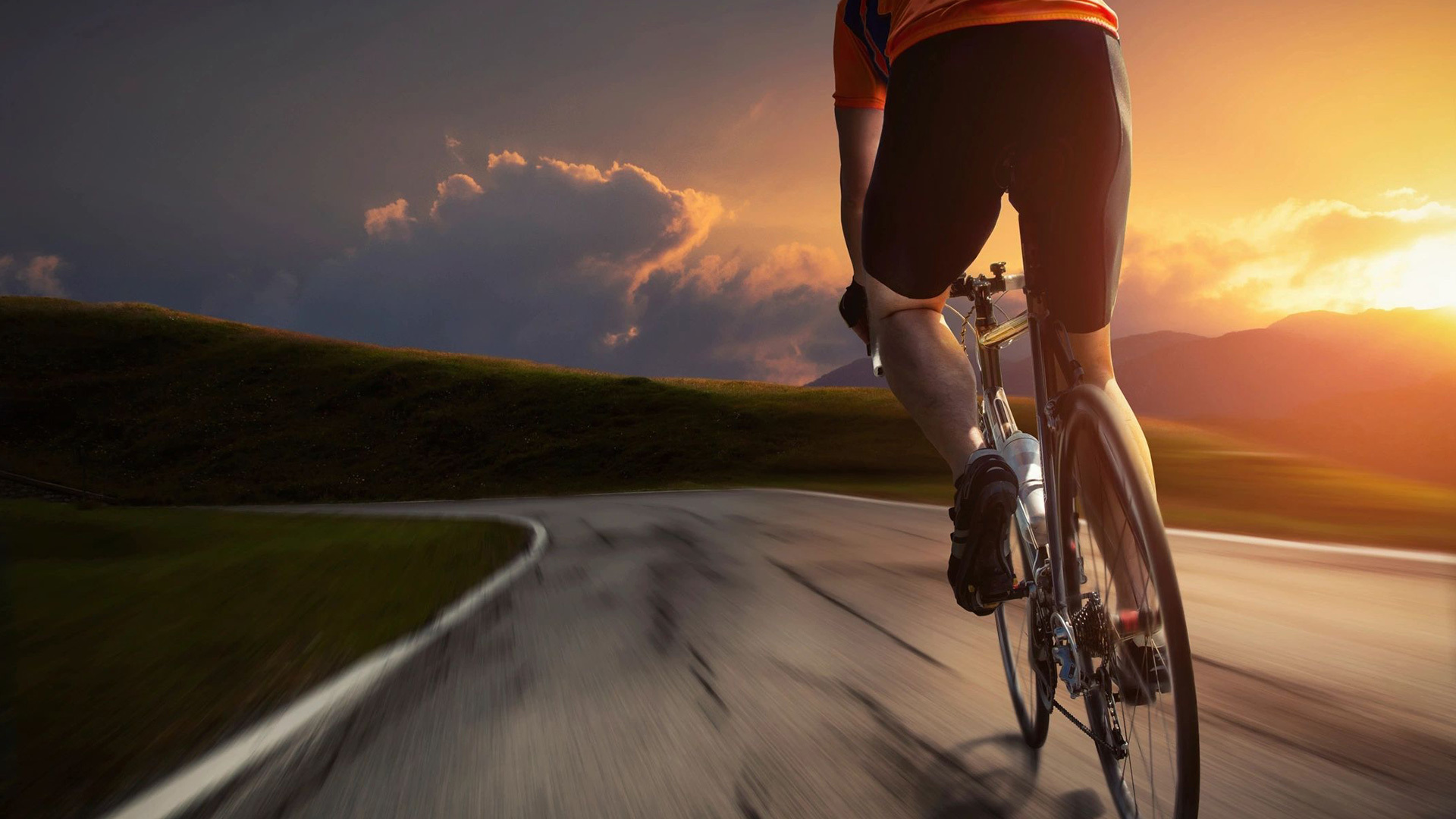
Image Source: unsplash
5 Step Guide to Getting Started with BMX
Follow these proven steps to start BMX riding safely and affordably, based on Interayon’s 20+ years of supporting new riders:
- Choose a beginner-friendly discipline that matches your interests (park, racing, or street are top picks)
- Select a properly sized entry-level BMX bike that fits your height and budget
- Invest in core safety gear: a certified helmet, knee pads, elbow pads, and padded gloves
- Practice foundational skills (balancing, turning, emergency stopping) in an empty lot or beginner park before attempting stunts
- Join a local BMX club or community to get feedback and learn from more experienced riders
| Comparison Category | Entry-Level BMX Bike (Under $500) | Mid-Range BMX Bike ($500-$1200) |
|---|---|---|
| Frame Material | Hi-Tensile Steel | Lightweight Chromoly Steel |
| Average Weight | 26-30 lbs | 22-26 lbs |
| Expected Lifespan | 2-3 years with regular use | 5-7 years with regular use |
| Best For | Beginner riders testing the sport | Intermediate riders riding 3+ times per week |
Q: How much does a full beginner BMX setup cost in 2026?
A: In 2026, a complete beginner BMX setup (bike + core safety gear) costs between $400 and $800 on average. You can cut costs by starting with a used reputable-brand bike, but we always recommend purchasing a new certified helmet for maximum safety.
Essential BMX Gear for Safety & Performance
Beyond your bike, core safety and performance gear is non-negotiable for BMX riding, regardless of your skill level. In practice, 2025 safety data from the International BMX Federation shows proper protective gear reduces the risk of serious injury by over 60% for beginner BMX riders.
Q: Do I need a full-face helmet for BMX?
A: Full-face helmets are required for competitive vert riding, big park stunts, and BMX racing, as they protect your jaw and face in the event of a fall. For casual beginner flatland or street riding, a certified half-shell helmet is sufficient for most regular riding sessions.
"BMX growth over the last decade has been driven by accessible community parks and affordable entry-level gear, making the sport more inclusive than ever before." — 2026 UCI Global Cycling Industry Report
Choosing the Right BMX Bike From Interayon
At Interayon (www.interayon.com), we’ve designed and tested BMX bikes for every discipline and skill level since 2005, with every frame tested by our pro rider team before it reaches consumers. From cases we’ve worked with hundreds of new riders, the most common mistake is choosing a bike that’s the wrong frame size for your height. A too-big or too-small bike reduces control and increases your risk of falls. Industry consensus is that frame size should always be matched to your height, not just your age or discipline.
For example, riders between 4’5” and 5’2” ride best with a 20-inch top tube frame, while riders over 5’10” perform best with a 21-inch top tube frame for BMX. We publish full sizing guides for every Interayon BMX bike on our website to help you find the right fit in minutes.
Frequently Asked Questions
Q: Is BMX an Olympic sport?
A: Yes, BMX has been an Olympic sport since 2008, when BMX racing was added to the Summer Olympics lineup. Freestyle BMX was added to the Olympic program in 2020, and both disciplines remain part of the 2028 Summer Olympics lineup.
Q: What age should you start BMX riding?
A: Riders can start BMX as early as 3-4 years old with properly sized kids’ BMX bikes, and many riders continue competing and riding recreationally into their 40s and beyond. There is no upper or lower age limit to enjoy BMX riding.
Q: How often should I maintain my BMX bike?
A: For regular riders who ride 2-3 times per week, you should do a basic safety check (tires, brakes, chain tension) before every ride, and a full service every 3-6 months. Competitive riders should do a full service after every major event.
Q: Are Interayon BMX bikes good for beginners?
A: Yes, Interayon offers a range of entry-level BMX bikes built with durable materials and accurate sizing for new riders, all tested by our pro team to ensure quality and safety. Our entry-level models are priced to fit most beginner budgets without sacrificing core safety features.
This article was generated by AI and is for reference only.
2024-07-03
Add: Jinxing Building, No.65 Xiqing Road,Hongqiao District, Tianjin, China Mob:+86 13752375147
Skype: henzebike E-mail: sashi@interayon.com


What's China's is the world's, China manufacturing leads the world.
join us, journey together, and share the global bicycle culture.
HUATAO GROUP
Leave Message